Group trauma therapy is a space where adults who’ve experienced trauma come together to process what happened, find support, and connect with others. Unlike one-on-one coaching, you’re surrounded by people who understand what you’re going through because they’ve been there too.
If you’re thinking about trying group trauma therapy or just curious about what it actually looks like, this guide walks you through everything you need to know.
Related: Trauma and Recovery: A Beginner’s Guide to Healing
Related: What Is a Trauma-Informed Coach? A Beginner’s Guide
How Group Trauma Therapy Works
Group trauma therapy is structured around creating safety first. The group meets regularly, usually ongoing, so you can show up when you’re ready and participate at your own pace. You don’t have to talk every session if you’re not ready. Just being in the room with people who get it can be meaningful.
A trained facilitator leads the group and makes sure everyone feels respected and heard. They might use talk therapy, body-based practices (like grounding techniques), relational work, or other approaches to help you process trauma. The focus is on helping you feel present in your body and your life right now, not just talking about what happened.
Everything shared in the group stays confidential. That’s the foundation of trust that lets people actually open up.
Who Participates in Group Trauma Therapy
Group trauma therapy is designed for adults dealing with the aftereffects of trauma. That might include trauma from abuse, loss, accidents, violence, or other painful events. It also addresses how trauma shows up in your relationships, your body, your ability to trust, and your recovery from substance use or other coping patterns.
Some people come to group therapy specifically because they’re working through addiction and trauma at the same time. Others come because they’re dealing with anxiety, depression, or relationship challenges rooted in past hurt. Some are healing from betrayal trauma or grief. There’s no “right” reason to be there.
What matters is that you’re ready to be in a room with other people and willing to do the work, even if that work looks different for you than it does for someone sitting next to you.
The Different Formats for Group Trauma Therapy
Group trauma therapy isn’t one-size-fits-all. You can find groups that meet in person locally or online from anywhere. Some groups focus on specific types of trauma. Others welcome people from all different backgrounds and experiences. Some are ongoing, meaning you can join whenever and stay as long as you need. Others might be time-limited workshops.
The format matters because it affects your comfort level and how you show up. If you’re in Los Angeles and want to connect in community, in-person groups offer a different kind of connection than virtual options. But if you can’t leave your home or prefer privacy, online groups might feel more accessible to start.
If you’re exploring your options for support, Alchemy Healing & Recovery Coaching offers various formats of support that can meet you where you are.
Want to see how it works?
What Makes Group Trauma Therapy Different From One-On-One Coaching
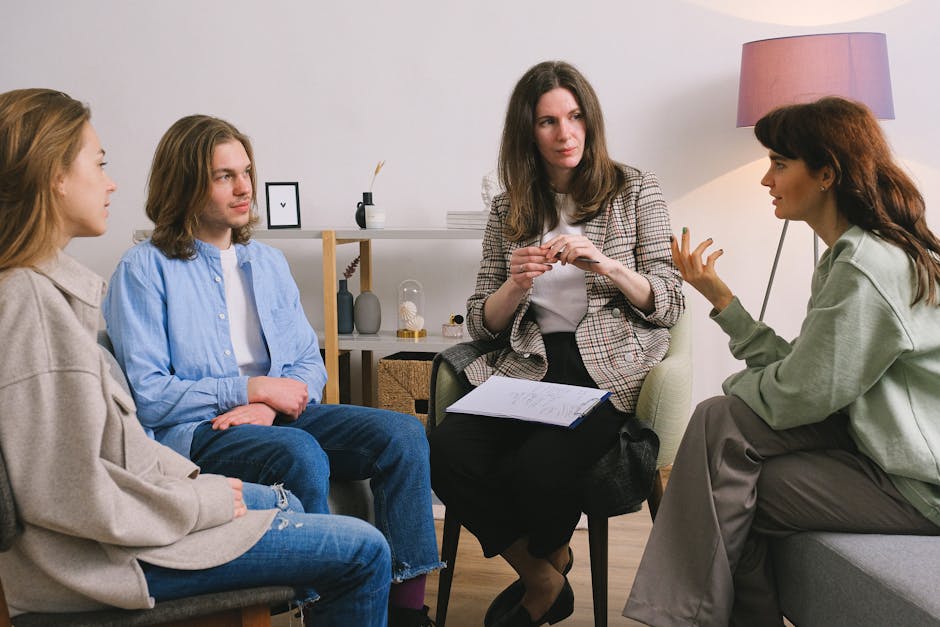
In a group, you get the power of collective connection. You hear other people’s stories and realize you’re not alone. You start to recognize patterns in how trauma shows up, not just in your life but in the room. You practice vulnerability and connection with multiple people, which can build your capacity to relate to others.
One-on-one coaching is more personalized and can go deeper into your specific situation. But a group offers something unique: the mirror of other people’s experiences and the experience of being witnessed by a community, not just one person.
Some people benefit from both. They might do one-on-one coaching to work through specific stuff and then come to a group to practice what they’re learning in a relational setting.
What to Expect in Your First Group Session
Walking into a group for the first time can feel nerve-wracking. You don’t know what to say or how much to share. That’s completely normal.
Most groups start with a check-in where people can share how they’re doing, but you’re never forced to talk. There might be a teaching component where the facilitator explains something about trauma or recovery. Then there’s usually time for people to share or process in smaller breakout conversations or one-on-one with the facilitator.
You’ll hear about group agreements, which are usually things like respecting confidentiality, not giving unsolicited advice, and showing up without judgment. These agreements create a foundation so people can be open.
The first session is usually about getting a feel for the group and the people in it. You’re allowed to just listen. You’re allowed to leave if it doesn’t feel right. There’s no commitment to stay if the group isn’t a fit.
How to Know If Group Trauma Therapy Is Right for You
Group trauma therapy might be a good fit if you want to connect in community, you’re tired of feeling isolated in your experience, or you benefit from hearing how other people navigate similar situations. It can work well if you’re ready to be honest about your experience and you want to practice being around others as part of your journey.
It might not be a fit if you’re in crisis and need more immediate support, if you’re not ready to be around other people yet, or if you’re dealing with active substance use that needs medical attention first. (In those cases, working with a licensed professional or going to an emergency service is the right move.)
The best way to know is to try it. Most groups let you drop in for a session with no obligation. If it feels right and you feel comfortable, that’s a good sign. If it doesn’t, that’s information too.
Getting Started With Your Own Journey

Whether you’re considering group therapy, one-on-one coaching, or a combination of both, the important thing is that you’re reaching out for support. That takes courage, especially if you’ve been hurt before or let down by traditional spaces.
If you want to explore how trauma-informed coaching might complement group work, or if you’re looking for a personalized approach to recovery, recovery coaching offers a non-clinical, judgment-free option that meets you where you are. You deserve support that feels affirming and real.
Frequently Asked Questions
Is group trauma therapy the same as support groups?
Not exactly. Support groups are peer-led spaces where people with similar experiences come together. Group trauma therapy is professionally facilitated and focuses on processing trauma using specific approaches like body-based work, relational strategies, and present-focused methods. Both can be meaningful, but they’re different.
Do I have to share my whole story in group trauma therapy?
No. You share at your own pace. Some people talk a lot in their first session; others listen for weeks before they say anything. The facilitator will invite participation but won’t force it. You control what you reveal and when.
What if I get triggered in group therapy?
That can happen, and it’s actually expected sometimes. A trained facilitator knows how to help you if you get overwhelmed. They’ll help you ground yourself, and you can always take a break. Part of the process is learning that feelings come and go and you can handle them, especially with support around you.
How long do I stay in group trauma therapy?
That’s entirely up to you. Most groups are ongoing, so you can come for a few months or stay for years. Some people stick with a group for a season of their life and then move on. Others keep coming back. There’s no timeline or “graduation.” You go as long as it feels right for you.
Want to see how it works?