A trauma-informed environment is a physical and relational space intentionally designed to recognize and respond to the effects of trauma. It’s built on the understanding that many behaviors and struggles people face aren’t character flaws—they’re coping attempts in response to difficult experiences.
The core idea is simple: create spaces (and relationships) where safety, trust, and agency come first. When someone feels genuinely safe, they’re more likely to engage authentically and show up for themselves.
If you’ve been in spaces that felt judgmental, cold, or unwelcoming, you already know how much environment matters. A trauma-informed environment is the opposite of that. It’s intentional. It meets you where you are.
Related: What Is a Trauma-Informed Approach and Why It Matters
Related: Trauma-Informed Workshop: What It Is & Why It Matters
Related: Trauma-Informed Movement: What It Is & Why It Matters
Related: Trauma-Informed Supervision: What It Is & Why It Matters
Related: Trauma Stewardship: What It Is & Why It Matters
Related: Trauma-Informed Practices in Education: A Guide
Related: Trauma-Informed Peer Support: What It Is & Why It Matters
The Core Pillars of a Trauma-Informed Environment
A truly trauma-informed environment rests on a few key foundations.
Safety first. This means physical safety—spaces that don’t trigger alarm bells—but also emotional safety. You know your boundaries will be respected. People ask before touching you. They don’t yell or create chaos. The environment itself (lighting, noise, temperature, layout) supports calm rather than hypervigilance.
Trustworthiness. Everyone in the space—whether that’s staff, coaches, or peers—is honest and transparent about what they do and why. There are no hidden agendas. Follow-through matters. People show up as they say they will.
Peer support and collaboration. A trauma-informed environment recognizes that growth isn’t top-down. You’re not being “fixed” by an expert. Instead, there’s room for lived experience to matter. Connection with others who’ve walked similar paths is valuable. Recovery coaching rooted in peer experience reflects this principle—the person supporting you has been through it too.
Empowerment and choice. In a trauma-informed space, you’re centered as the expert on your own life. You get choices. Your voice matters. No one is forcing a single path or telling you there’s only one “right way” forward.
Cultural humility. A trauma-informed environment acknowledges that experiences look different across communities. It honors identity, values, and lived experience without stereotyping or erasing difference.
How Physical Space Shapes a Trauma-Informed Environment
Here’s something often overlooked: the actual design of a space matters more than people realize.
Think about the difference between a room with harsh fluorescent lighting, no windows, cramped seating, and nowhere to escape, versus a room with natural light, soft furnishings, plants, and a clear exit. The second one naturally feels calmer. Your body knows it can breathe.
In a trauma-informed physical environment, you might notice:
- Soft or natural lighting instead of harsh overhead lights
- Comfortable seating with options (not forced to sit directly across from someone)
- Visible exits and clear sightlines (being able to see what’s happening reduces hypervigilance)
- Temperature and air quality that feel comfortable
- Minimal unnecessary noise or sensory overload
- Space that feels welcoming and cared for—not sterile or institutional
- Privacy options so you’re not exposed
When Alchemy Healing & Recovery Coaching works with clients, the coaching space reflects these principles. It’s about creating an environment where your nervous system can settle, so the real work of growth becomes possible.
Want to see how it works?
What Trauma-Informed Means in Relationships and Interactions
Beyond the physical space, a trauma-informed environment lives in how people show up for each other.
It means asking before you touch someone. It means respecting “no” without requiring justification. It means not using shame or judgment as motivators. It means following through on what you say you’ll do.
A trauma-informed approach also recognizes that people may respond through avoidance, anger, disconnection, or people-pleasing. These aren’t character problems—they’re survival strategies that once protected you. A trauma-informed person gets that and doesn’t judge it.
It also means recognizing power dynamics and not pretending they don’t exist. If someone is in a position of authority or support, they have more power in the relationship, and that matters. A trauma-informed environment names this and uses that power responsibly.
Why This Matters for Your Experience
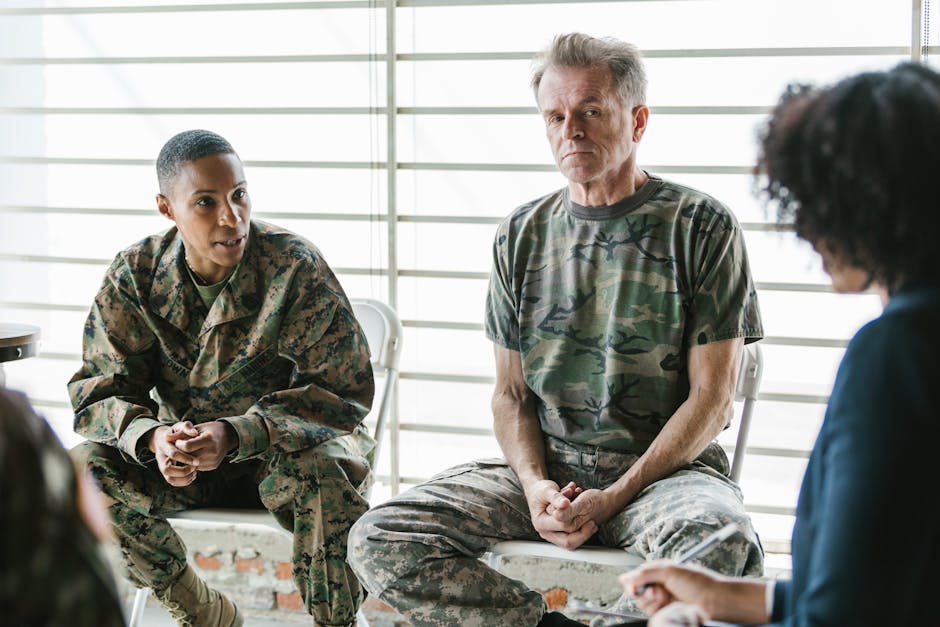
When you’re surrounded by a trauma-informed environment, several things may shift:
You may feel safer taking risks. You may be more willing to be honest. You may show up more consistently. Your nervous system doesn’t spend all its energy on alert mode, so you may have more bandwidth for growth and change.
Individual experiences are supported. Collective experiences become possible. Staff and peer supporters may experience less burnout because they’re not re-traumatized by the system they’re working in.
When you’re working with someone on recovery, life transitions, grief, or other challenges, the container matters as much as the content. Coaching services designed with trauma-informed principles recognize this. They’re built to meet you where you are without judgment or shame.
Building or Recognizing a Trauma-Informed Environment in Your Life
You can look for these signs in spaces you’re considering:
- People ask your permission before acting
- Your boundaries are respected without question
- There’s transparency about what’s happening and why
- You’re treated as the expert on your own needs
- Multiple paths or options are offered, not one rigid way
- The space feels physically safe and comfortable
- People listen without immediately trying to fix you
- Lived experience is valued, not dismissed
If you’re creating a trauma-informed environment—whether that’s a coaching relationship, a support group, a workplace, or your home—start with these questions:
- Does everyone here feel they can say no?
- Is there room for different ways of coping or moving forward?
- Do people know their voices matter?
- Is the physical space actually comfortable?
- Are relationships built on honesty and follow-through?
If you’re looking for support in recovery, navigating major life changes, or other challenges, it’s okay to be selective about where you invest your time and energy. You deserve spaces that get this. Learning more about what a trauma-informed coaching approach looks like can help you know what you’re looking for.
Frequently Asked Questions
To explore what a trauma-informed coaching approach looks like: Alchemy Healing & Recovery Coaching.
Is a trauma-informed environment only for people who’ve experienced trauma?
Not at all. A trauma-informed environment benefits everyone. It’s built on principles like safety, respect, and choice—things that help humans thrive. Think of it like building a ramp: it helps people in wheelchairs, but it also helps someone pushing a stroller or moving boxes.
Can trauma-informed care happen in a virtual space?
Absolutely. Virtual spaces can be deeply trauma-informed. What matters is the relational principles: respect, transparency, boundaries, choice, and safety. The physical environment matters less online, but emotional safety—being met with non-judgment, having your pace honored—translates across any medium. That’s why virtual coaching through Alchemy Healing & Recovery Coaching works for many people.
What if I’ve never experienced a trauma-informed environment? How do I know what to expect?
Pay attention to how you feel in a space or with a person. Do you feel rushed or heard? Do you feel judged or accepted? Can you breathe, or are you bracing? Trust your gut. If something feels off—too clinical, too pushy, too quiet—it might not be trauma-informed. A genuinely trauma-informed environment usually feels calming and respectful.
Can I create a trauma-informed environment by myself at home?
Yes. You can start small: soft lighting, comfortable seating, reducing unnecessary noise, setting clear boundaries with people you live with, practicing saying no, and speaking to yourself with compassion. Over time, you can expand that by surrounding yourself with people and spaces that honor these principles.
Want to see how it works?