
Trauma-informed mindfulness is an approach to mindfulness that meets you where you are if you’re navigating a nervous system that’s been through a lot.
Instead of forcing yourself to sit still and clear your mind, trauma-informed mindfulness teaches you how to develop a friendly, curious relationship with your physical sensations. It honors that your body might feel unsafe right now, and it works with that reality instead of against it.
What Makes Trauma-Informed Mindfulness Different
Standard mindfulness practices sometimes assume you can easily sit with uncomfortable feelings. But if you’ve experienced trauma, your nervous system might go into fight-or-flight mode when you try to be still and turn inward. That’s not a failure on your part. Your system is doing exactly what it was trained to do.
Trauma-informed mindfulness adapts. It prioritizes your sense of safety and control. You get to choose how long you practice, what sensations you focus on, and when you stop. You’re never forced to sit with something that feels overwhelming.
The goal is to help you explore a sense of agency over your own nervous system. When you can gently notice a sensation in your body without judgment, you’re beginning to build awareness. That’s the real work.
How Trauma-Informed Mindfulness Supports Awareness
Self-awareness is your ability to notice your emotional and physical responses when things get hard. Many people in recovery or navigating difficult experiences find that their nervous system feels stuck in overdrive. You might feel constantly on alert, irritable, or numb.
Trauma-informed mindfulness teaches you to notice these states without trying to force them to change. You might notice: “Right now my shoulders are tight and my breathing is shallow.” That’s it. No judgment. No trying to fix it.
Over time, this gentle noticing can support your nervous system. When your body feels witnessed and accepted rather than criticized or forced, it may have more capacity to settle naturally.
This kind of practice can be especially helpful if you’re also working on recovery coaching or navigating anxiety and grief. Building this skill gives you a tool you can use anywhere, anytime.
Key Principles of Trauma-Informed Mindfulness
Safety comes first. Everything in a trauma-informed approach prioritizes your felt sense of safety. That means you’re in control. You choose what to focus on, how long to practice, and whether to stop.
Your body’s wisdom matters. Trauma can be held in the body. Trauma-informed mindfulness teaches you to listen to what your body is telling you, not override it. If something feels unsafe, that’s information. Not a problem.
There’s no “right” way to do this. You’re not aiming for a blank mind or deep relaxation. You’re aiming for gentle awareness. If your mind wanders, that’s fine. If you feel emotions come up, that’s fine too.
Sensory grounding works. Instead of focusing on big feelings, trauma-informed mindfulness often starts with small, concrete sensations. What do your feet feel like on the ground? What do you hear right now? This grounds you in the present moment.
You’re building awareness, not erasing experience. This practice doesn’t make difficult experiences disappear. It helps you build the capacity to be present with what is without being overwhelmed by it.
Simple Trauma-Informed Mindfulness Practices to Try
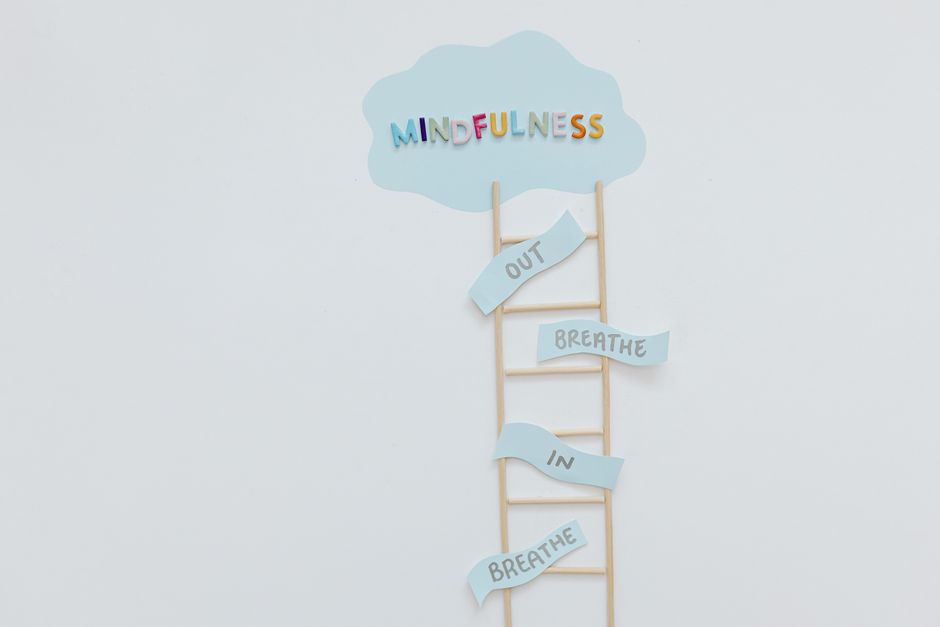
Grounded Awareness
Start small. Notice five things you can see right now. Then four things you can touch. Then three things you can hear. This brings you into your senses and anchors you in the present.
Body Scan (Gentle Version)
Instead of scanning your entire body, choose one small area. Maybe your hands. Notice the temperature, texture, any tingling or heaviness. If it feels uncomfortable, move to a different area or stop. You’re in charge.
Breath Awareness
Don’t try to change your breathing. Just notice it. If your breath is shallow or fast, that’s okay. You’re simply observing. Over time, gentle observation may allow you to notice shifts in your nervous system.
Movement-Based Mindfulness
Trauma-informed practices don’t have to be still. Walking mindfully, gentle stretching, or even washing dishes with full attention can be forms of mindfulness that feel accessible to you.
When Trauma-Informed Mindfulness May Be Useful
This approach may be useful if you’re navigating anxiety, grief, or major life transitions. It can also be helpful if you’re in recovery and looking to rebuild trust in your body and develop tools for self-awareness.
Some people find that trauma-informed mindfulness complements other support beautifully. If you’re working with a coach on life coaching or processing difficult emotions, a grounded mindfulness practice can give you a way to settle your nervous system between sessions.
It’s also a practice you can return to whenever you need it. Stressed at work? Take two minutes to notice what you feel. Navigating a difficult moment? Come back to your senses. Ground yourself in the present.
Creating a Safe Space for Your Practice
Where and how you practice matters. You might feel most comfortable practicing in a quiet room with the door closed. Or maybe you prefer to be outside. Some people practice with music; others in silence.
Pay attention to what environment feels right for you. That’s your answer. There’s no universal “right” place to practice.
If you’re new to this and want guidance, working with someone trained in trauma-informed approaches can help you build a practice that feels good to you. Alchemy Healing & Recovery Coaching offers support for people navigating trauma and recovery, including tools and practices for building awareness and safety in your nervous system.
Want to see how it works?
Common Misconceptions About Trauma-Informed Mindfulness

You have to meditate for 30 minutes. Nope. Two minutes of grounded awareness is enough. Start where you are.
You’re supposed to feel calm. Not necessarily. Trauma-informed mindfulness is about noticing what is, not forcing a particular feeling. Sometimes you’ll feel calm. Sometimes you’ll feel sad or angry. That’s all fine.
If your mind wanders, you’re doing it wrong. Your mind is supposed to wander. You’re just gently bringing it back. That’s the whole practice.
It’s a replacement for professional support. Mindfulness is a tool, not a substitute for therapy, coaching, or medical care. It works best alongside other support you might be getting.
Moving Forward With Trauma-Informed Mindfulness
Navigating difficult experiences doesn’t happen through willpower or forcing yourself. It can happen through gentle, consistent practice of meeting yourself with compassion. Trauma-informed mindfulness is one way to do that.
Start by noticing where your body feels most comfortable right now. Maybe it’s your hands, your feet, or the place where your back touches a chair. Just notice. That’s the beginning.
As you build this practice, you’re not trying to get anywhere or become anyone different. You’re simply learning to be present with yourself in a way that feels accessible to you. Over time, that presence itself can become meaningful.
If you want to explore trauma-informed approaches more deeply or work with someone who understands how to guide you safely, reach out to learn more about working together. You deserve support that honors your pace and your needs.
Related: Trauma-Informed DBT: A Practical Guide to Healing
Related: Trauma-Informed Communication: A Guide to Healing Conversations
Related: Trauma-Informed Spiritual Care: A Guide to Healing
What’s the difference between regular mindfulness and trauma-informed mindfulness?
Regular mindfulness teaches you to observe your thoughts and feelings without judgment. Trauma-informed mindfulness does that too, but it adds an extra layer of safety and control. You get to choose what you focus on, when to stop, and you’re never pushed to sit with something that feels overwhelming. It’s the same skill with guardrails that prioritize your sense of agency.
Can trauma-informed mindfulness be part of my practice?
Many people find that grounded, gentle mindfulness is a useful part of their overall approach to wellness. By teaching your nervous system to be present, you may notice shifts over time in how you respond to stress. It’s a tool you can use whenever you need it.
How long before I notice changes?
Everyone’s different. Some people notice a shift after a few practices. For others, it takes weeks of consistent practice. The key is to practice without attachment to a specific outcome. You’re simply building a new skill. What you notice unfolds in its own time.
What if I can’t sit still?
You don’t have to. Walking mindfully, gentle movement, or even lying down are all valid. Trauma-informed mindfulness adapts to your body and your needs. If sitting feels uncomfortable, find another way. The practice is about presence, not posture.
Want to see how it works?