A trauma-informed workshop is training designed to help you understand how trauma impacts the brain, behavior, and relationships, then apply that knowledge in real-world settings. It’s not therapy or clinical training. Instead, it’s practical education that teaches you to recognize trauma responses, reduce re-traumatization, and build trust with the people you serve.
If you work with young people, run an organization, manage staff, or coach clients through recovery and life transitions, a trauma-informed workshop may offer practical tools for your work.
What Exactly Is a Trauma-Informed Workshop?
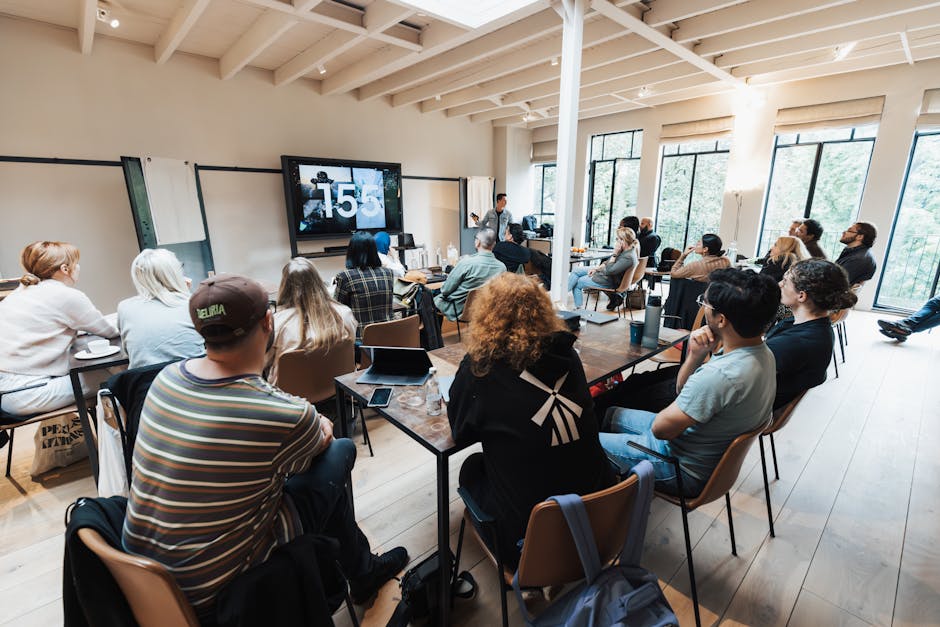
A trauma-informed workshop is hands-on training that covers how trauma affects the nervous system, brain development, and emotional regulation. It’s structured to give you both theory and tools you can use immediately.
Most workshops include core elements like understanding how trauma affects the brain, recognizing trauma responses in everyday behavior, and learning how to adjust your communication and environment to support people who’ve experienced trauma. Many also cover body-based approaches, like somatic practices that may help people reconnect with their bodies.
The key difference between a trauma-informed workshop and other training is the focus on practice, not just knowledge. You’ll leave with specific, actionable strategies, not just concepts.
Related: What Is a Trauma-Informed Approach and Why It Matters
Who Should Attend a Trauma-Informed Workshop?
Anyone working with people may benefit from this training. That includes:
- Social workers, counselors, and support staff
- Teachers, coaches, and youth development professionals
- Managers and organizational leaders
- Recovery coaches and peer support professionals
- Anyone in helping professions who wants to deepen their understanding
Even if you work one-on-one with clients or lead a small team, trauma-informed training may help you recognize patterns and respond with greater awareness and compassion.
People working in recovery, addiction support, or life coaching often find this training valuable. When you’re supporting someone through major change, understanding how trauma shapes their responses may help you offer more informed support. That’s why recovery coaching grounded in trauma-informed principles may be meaningful.
Core Topics Covered in a Trauma-Informed Workshop
Most well-designed workshops focus on a few key areas:
How Trauma Impacts the Brain. You’ll learn about how traumatic experiences affect neural pathways and how someone processes safety, threat, memory, and emotion. This knowledge may shift how you interpret behavior.
Recognizing Trauma Responses. Understanding that hypervigilance, avoidance, numbing, or emotional dysregulation are survival strategies. This perspective can be helpful.
Practical Application in Your Setting. Whether you’re in a school, nonprofit, coaching practice, or organizational leadership role, you’ll learn specific ways to adjust your communication, physical space, policies, and interactions to support safety.
Somatic and Body-Based Approaches. Many modern workshops include intro-level somatic work, helping you understand how trauma affects the body and how grounding, breathing, and movement may be relevant to people’s experiences.
Support for Your Own Wellbeing. If you’re supporting people through difficult experiences, you also need tools to support your own wellbeing. Good workshops teach this so you and your staff can sustain your work.
Why a Trauma-Informed Workshop Matters
Most of us were never taught how to recognize or respond to trauma. We operate from old patterns or assumptions that may not serve people well.
A trauma-informed workshop can change that. When you understand trauma, you may stop taking things personally. You may respond differently to survival responses. You can build environments where people feel more supported.
Related: What Is a Trauma-Informed Environment & Why It Matters
This is especially relevant in recovery and coaching spaces. Someone navigating addiction, anxiety, grief, or major life change may have unhealed trauma. Coaching services grounded in trauma-informed principles may create conditions for meaningful change by addressing underlying patterns.
Beyond individual impact, trauma-informed practices may also transform organizations. When your whole team understands trauma, you may hire differently, communicate differently, and build policies that support wellbeing.
How to Find and Choose a Trauma-Informed Workshop
When you’re looking for a workshop, here’s what to consider:
Clear Learning Outcomes. A good workshop tells you exactly what you’ll understand and be able to do by the end. Clear descriptions are helpful.
Instructor Experience. Instructors who’ve worked directly with trauma survivors often bring valuable perspective. Look for facilitators who bring real experience.
Flexibility. Some workshops offer self-paced options so you can learn on your own schedule. Others run at set times. Know what works for your life.
Practical Focus. You should leave with actual tools, not just concepts. Can you apply this in your work?
Ongoing Support. The best workshops offer resources to help you implement what you’ve learned in your workplace or coaching practice.
If you’re in recovery coaching or life coaching and want to deepen your trauma-informed skills, reach out to Alchemy Healing & Recovery Coaching to explore options that match your needs and experience level.
Want to see how it works?
Bringing Trauma-Informed Practice Into Your Work
After you complete a workshop, the real work begins. You’ll need to think about how to apply what you’ve learned in your specific context.
If you manage a team, this might mean changing hiring practices, adjusting how you give feedback, or creating a more supportive physical environment. If you’re a coach or support person, it means slowing down, asking permission, being transparent about what to expect, and building in choices wherever possible.
One of the biggest shifts is moving from a “what’s wrong with you” mindset to a “what happened to you” mindset. That one change can ripple through everything.
Many people find that life coaching approaches that weave in trauma-informed principles create an environment of trust. If you’re building these practices in your own coaching or support work, that foundation can be meaningful.
Common Questions About Trauma-Informed Workshops

If any of this resonated, give Alchemy Healing & Recovery Coaching a look — it is where the rest of our research lives.
Do I need clinical credentials to benefit from a trauma-informed workshop?
Not at all. Workshops are designed for everyone from frontline staff to managers to coaches. You don’t need a degree in psychology or social work. What matters is your willingness to learn and your commitment to showing up differently.
Related: Trauma-Informed Supervision: What It Is & Why It Matters
Related: Trauma-Informed Movement: What It Is & Why It Matters
How long does a typical trauma-informed workshop take?
It varies. Some are intense one-day or two-day trainings. Others spread over several weeks. Some offer self-paced modules you can complete on your own schedule. Check what format works best for your life and learning style.
What is the scope of a trauma-informed workshop?
A trauma-informed workshop teaches you to recognize trauma and create safer spaces. It is not clinical training or therapy. If someone needs therapeutic support, they should work with a licensed professional. Your role is to support and understand.
Can a workshop help me if I’m in recovery myself?
Many people in recovery find value in understanding how trauma shaped their own patterns. Some workshops are specifically designed for people with lived experience of addiction or trauma, which may feel more affirming.
Want to see how it works?