If you’ve experienced trauma, sitting still with your thoughts can feel challenging. Trauma-informed meditation is an approach that honors your nervous system’s protective responses and invites you to explore practice at your own pace.
Trauma-informed meditation isn’t about forcing yourself into a particular state. It’s about creating space for your mind and body to process your experiences, without pushing or controlling the experience. Let’s break down what it is, why it matters, and how you can start exploring it.
What Is Trauma-Informed Meditation?
Trauma-informed meditation combines mindfulness practices with an understanding of how trauma affects your nervous system. It recognizes that trauma survivors’ brains and bodies are wired to protect them—and that protection is a natural response.
Related: What Is a Trauma-Informed Institute? A Guide to Understanding Trauma-Informed Care
Related: Trauma-Informed Care in Behavioral Health Services: A Guide
Related: Trauma-Informed Mindfulness: A Gentle Guide to Healing
Related: Trauma-Informed Attachment Therapy: A Relational Healing Guide
Related: What Is a Trauma-Informed Coach? A Beginner’s Guide
Related: What Are Trauma-Informed Organizations? A Guide
Related: Trauma-Informed Practices in Education: A Guide
Related: Trauma-Informed Motivational Interviewing: A Guide
Related: Trauma-Informed Activities for Adults: Practical Guide
Related: Trauma-Informed DBT: A Practical Guide to Healing
Related: Trauma-Informed Care Resources: A Practical Guide
Related: Trauma-Informed Resources: A Guide to Finding Support
Related: Trauma-Informed Facilitation: A Practical Guide
Related: What Is a Trauma-Informed Program? A Practical Guide
Related: Trauma-Informed Spiritual Care: A Guide to Healing
Related: Trauma-Informed Communication: A Guide to Healing Conversations
Related: What Is a Trauma-Informed Professional? A Complete Guide
Traditional meditation often emphasizes detachment or “witnessing” thoughts without reaction. Trauma-informed meditation, by contrast, prioritizes agency, choice, and your sense of control. You’re not required to sit for a set time, follow rigid instructions, or adopt a particular posture. Instead, you’re invited to explore what works for your unique needs.
This approach understands that trauma can show up in the body as tension, numbness, or sudden emotional responses—even during a quiet meditation. A trauma-informed practitioner won’t judge that or tell you you’re “doing it wrong.” They’ll help you work with it.
Why Trauma-Informed Meditation Matters
Trauma affects how your nervous system responds to the world. You might feel hypervigilant, numb, or stuck in certain patterns even when you’re physically safe. Some people find that exploring trauma-informed meditation can help you gradually become more aware of those patterns and responses.
It’s also an approach that meets you where you are—no diagnosis required, no clinical labels, just a practice that honors your lived experience. Many people drawn to trauma-informed coaching approaches find that a somatic (body-based) practice like this complements the inner work they’re already doing.
The key difference: trauma-informed meditation isn’t asking you to rise above your trauma or transcend it. It’s inviting you to gently inhabit your body and nervous system, moment by moment, with compassion.
Core Principles of Trauma-Informed Meditation
Choice and Control
You’re always in charge. You decide how long to meditate, when to stop, and what position feels right for you. No one pushes you to sit a certain way or keep your eyes closed if that doesn’t feel comfortable.
Grounding Over Transcendence
The focus is on feeling more present and anchored in the here-and-now. You might notice your feet on the ground, your breath, or sounds around you—anything that brings you back to *now*, where you are in this moment.
Want to see how it works?
Honoring Protective Responses
If your mind wanders, your body tenses, or you feel an urge to stop—that’s not failure. Your nervous system is responding naturally. A trauma-informed practice works *with* that, not against it.
Connection Over Isolation
Trauma often creates a sense of disconnection. Trauma-informed meditation can be done alone *or* with a guide or community. Many people find that practicing with someone they trust—whether a recovery coach, a group, or an instructor trained in trauma sensitivity—makes it feel more grounded.
How to Start a Trauma-Informed Meditation Practice
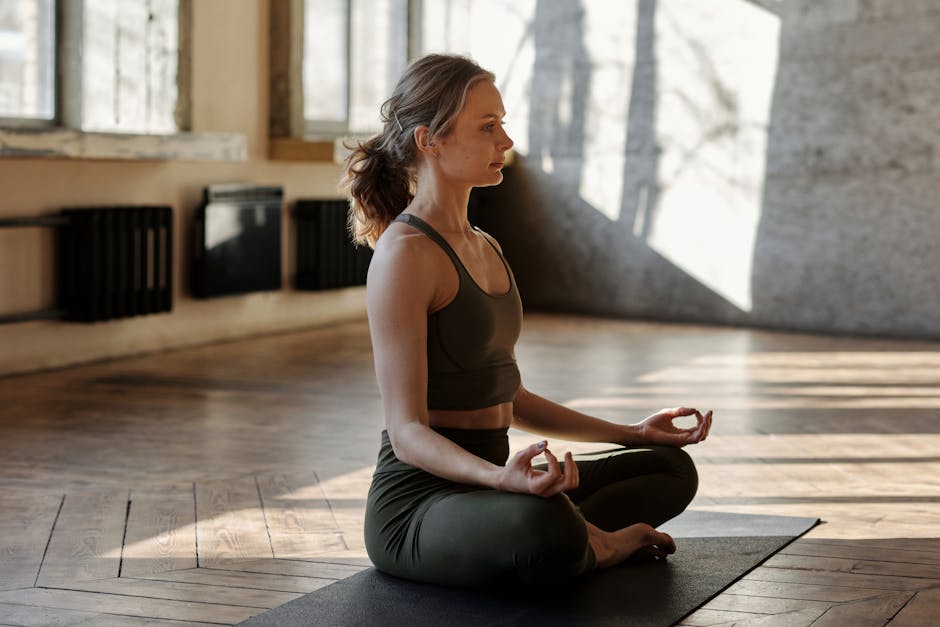
1. Start Small
You don’t need 20 minutes. Try 2-3 minutes. Some days, it might be 30 seconds of noticing your breath. That’s valid.
2. Choose Your Position
Lying down, sitting in a chair, standing—whatever feels right for you. Crossed legs aren’t required. Neither is closing your eyes. Do what your body needs.
3. Pick a Focus
This might be your breath, a sound, the sensation of your feet touching the ground, or even an image. The focus is just an anchor—something to gently return to when your mind wanders.
4. Notice Without Judgment
Thoughts, feelings, and sensations will arise. They’re not mistakes. If you notice anxiety, sadness, or restlessness, you don’t have to fix it. Just observe: “I’m noticing anxiety right now.” That’s enough.
5. Use Grounding Techniques
If you feel overwhelmed, ground yourself. Name five things you see, four you can touch, three you hear, two you smell, one you taste. Feel your weight in your chair. Press your feet into the floor. These anchors can help you stay present.
6. Stop When You Need To
There’s no “should” here. If sitting still feels uncomfortable or triggers distress, honor that. You can pause, move, open your eyes, or stop entirely. Your comfort and safety matter.
When to Seek Guidance
While self-guided meditation can be helpful, many people find it beneficial to work with a trauma-informed guide—especially early on. A guide who understands trauma can help you navigate your experience, adjust techniques for your needs, and build confidence in the practice.
If you’re interested in exploring trauma-informed meditation alongside other supportive work, recovery coaching can provide a compassionate, non-clinical space to process what arises during your practice. A peer recovery coach can help you understand your nervous system responses and explore practices that align with your journey.
Mindfulness-based approaches are increasingly recognized as supportive tools for trauma survivors, particularly when tailored to individual needs rather than applied in a one-size-fits-all way.
Common Challenges and How to Navigate Them
Flashbacks or Intrusive Thoughts
If meditation brings up difficult memories, that doesn’t mean you’re failing. Your nervous system may be processing. Pause, ground yourself using the five-senses technique above, and return when you’re ready—or skip that session. This is why working with a trauma-informed practitioner can be valuable.
Numbness or Dissociation
Some trauma survivors feel numb during meditation. That’s a protective response. You might try practices that bring you *into* your body more—like noticing temperature, texture, or movement—rather than sitting still.
Restlessness or Inability to Sit Still
Not everyone can meditate sitting down. Walking meditation, gentle movement, or even fidgeting while meditating works. Your practice can look different from what you see online, and that’s okay.
Feeling Worse Instead of Better
Healing isn’t linear. Sometimes meditation stirs things up. If you’re consistently feeling worse, try shorter sessions, different techniques, or take a break. Consider reaching out to Alchemy Healing & Recovery Coaching to explore what might help you feel more supported.
Building a Sustainable Practice

Consistency matters more than duration. A few minutes most days can help you become more aware of your patterns more than a long session you dread. Start with what feels realistic, then gently expand if you want to.
Some people find it helpful to meditate at the same time each day (maybe right after waking or before bed). Others prefer to practice when they notice stress or changes in how they’re feeling. There’s no wrong rhythm—just what works for your life.
If you’re navigating recovery, grief, or major life changes alongside trauma, a holistic approach that includes both meditation and life coaching can help you explore multiple perspectives. The goal is integration: a practice that helps you feel more grounded, more connected to yourself, and more able to navigate whatever comes your way.
FAQs
For more information and support: Alchemy Healing & Recovery Coaching.
Is trauma-informed meditation the same as regular meditation?
Not exactly. Regular meditation often uses a standard approach—sit still, clear your mind, observe without judgment. Trauma-informed meditation honors that trauma survivors’ nervous systems may need more flexibility, choice, and control. It’s customized to your needs, not to a standard practice.
Can trauma-informed meditation bring up difficult experiences?
It’s possible, especially if you’re new to the practice. That’s why starting small, working with a trauma-informed guide, and using grounding techniques can be helpful. If difficult experiences do arise, having support helps you navigate them.
How long does it take to notice changes?
Everyone’s experience is different. Some people notice shifts after one session. Others explore the practice over weeks or months. There’s no “right” timeline—just your own pace.
Do I need to be spiritual or religious to practice trauma-informed meditation?
No. Trauma-informed meditation is secular and practical. It’s rooted in understanding your nervous system, not in any spiritual or religious belief. You can practice it alongside any spiritual tradition or with none at all.
Want to see how it works?